

Global trade continues to grow, but many businesses struggle with shipping delays, rising costs, and compliance risks. Without strong logistics planning, companies lose customers, revenue, and market opportunities. Global logistics solutions solve these challenges by creating reliable, scalable, and transparent shipping systems.
This guide explains common logistics problems and shows how the right logistics strategy helps businesses grow with confidence.
The Biggest Challenges Businesses Face in Global Shipping
Many businesses face logistics issues that slow growth. Shipping delays disrupt supply chains. Poor documentation causes customs hold-ups. Limited tracking reduces visibility and trust.
Rising transportation costs also pressure profit margins. Businesses that rely on fragmented logistics providers often face inconsistent service and weak accountability. These challenges create risk and damage brand reputation.
Global logistics solutions address these problems through centralized planning, professional coordination, and reliable execution.
Why Global Logistics Solutions Matter More Than Ever
Modern supply chains demand speed, accuracy, and flexibility. Customers expect fast delivery and real-time updates. Businesses need logistics partners that support expansion without increasing operational complexity.
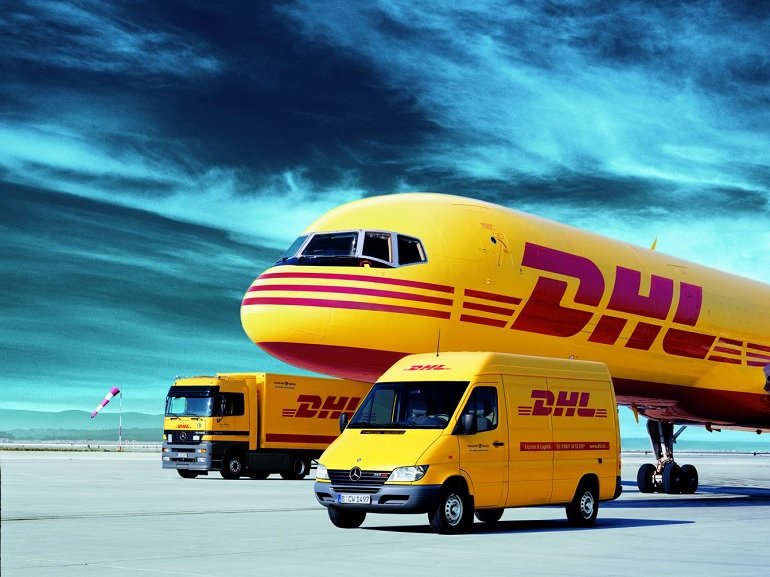
Global logistics solutions provide end-to-end coordination across air, sea, and land freight. They reduce delays, improve cost control, and strengthen compliance. Companies that invest in professional logistics gain a competitive advantage in international markets.
How Integrated Logistics Improves Efficiency and Reduces Costs
Integrated logistics solutions connect every stage of the shipping process. Instead of managing multiple vendors, businesses work with one coordinated system.
This approach improves route planning, reduces handling errors, and lowers transit times. Strong logistics planning also minimizes unexpected fees and customs delays. Businesses gain predictable pricing and consistent delivery performance.
Global logistics solutions also improve inventory flow, helping companies meet demand without overstocking or shortages.
The Role of Transparency and Tracking in Logistics Success
Visibility plays a critical role in logistics performance. Businesses need accurate shipment updates to plan operations and communicate with customers.
Modern logistics solutions provide real-time tracking and proactive communication. Companies gain full control over their shipments and respond quickly to changes. Transparency builds trust and strengthens long-term customer relationships.
Reliable logistics providers prioritize communication and accountability at every stage.
Choosing the Right Global Logistics Partner
Not all logistics providers offer the same level of service. Businesses should choose partners with proven experience, strong compliance standards, and scalable solutions.
The right global logistics partner supports growth, manages risk, and adapts to changing market conditions. Reliable logistics services help businesses expand into new regions without uncertainty.
Frequently Asked Questions
What are global logistics solutions?
Global logistics solutions manage international shipping, freight coordination, customs support, and supply chain operations through a unified system.
How do logistics solutions reduce shipping delays?
They improve route planning, documentation accuracy, and shipment monitoring, which reduces disruptions and customs issues.
Are global logistics solutions suitable for small businesses?
Yes. Scalable logistics solutions support both growing companies and large enterprises.
Why does tracking matter in logistics?
Tracking improves visibility, reduces risk, and helps businesses communicate accurately with customers.
How do logistics solutions support business growth?
They enable faster deliveries, better cost control, and smoother international expansion.

Leave a Reply